2026-09-14
Why do neurosurgeons travel thousands of miles to study?
Hands-on training, case discussions, and exchange between specialists keep in-person experience at the heart of professional development
While many professions can stay up to date through online courses and virtual meetings, in neurosurgery, much of the learning still depends on in-person experience. Observing procedures, taking part in hands-on training such as cadaver labs, discussing complex cases, and learning about different approaches to the same disease all lead specialists to travel in search of improvement.
This movement is reflected in Brazil. Data from Embratur, a Brazilian Agency for the International Promotion of Tourism, show that the Science & Research sector accounts for more than 26% of the international congresses held in the country, while sectors such as healthcare stand out for hosting hosting the largest congresses and drawing the highest numbers of participants
In October, São Paulo will host the Neuro University Summit 2026, bringing together neurosurgeons, neurologists, pediatric neurologists, neuroscientists, and other health professionals to discuss advances in neurosurgery, neuroscience, and brain health.
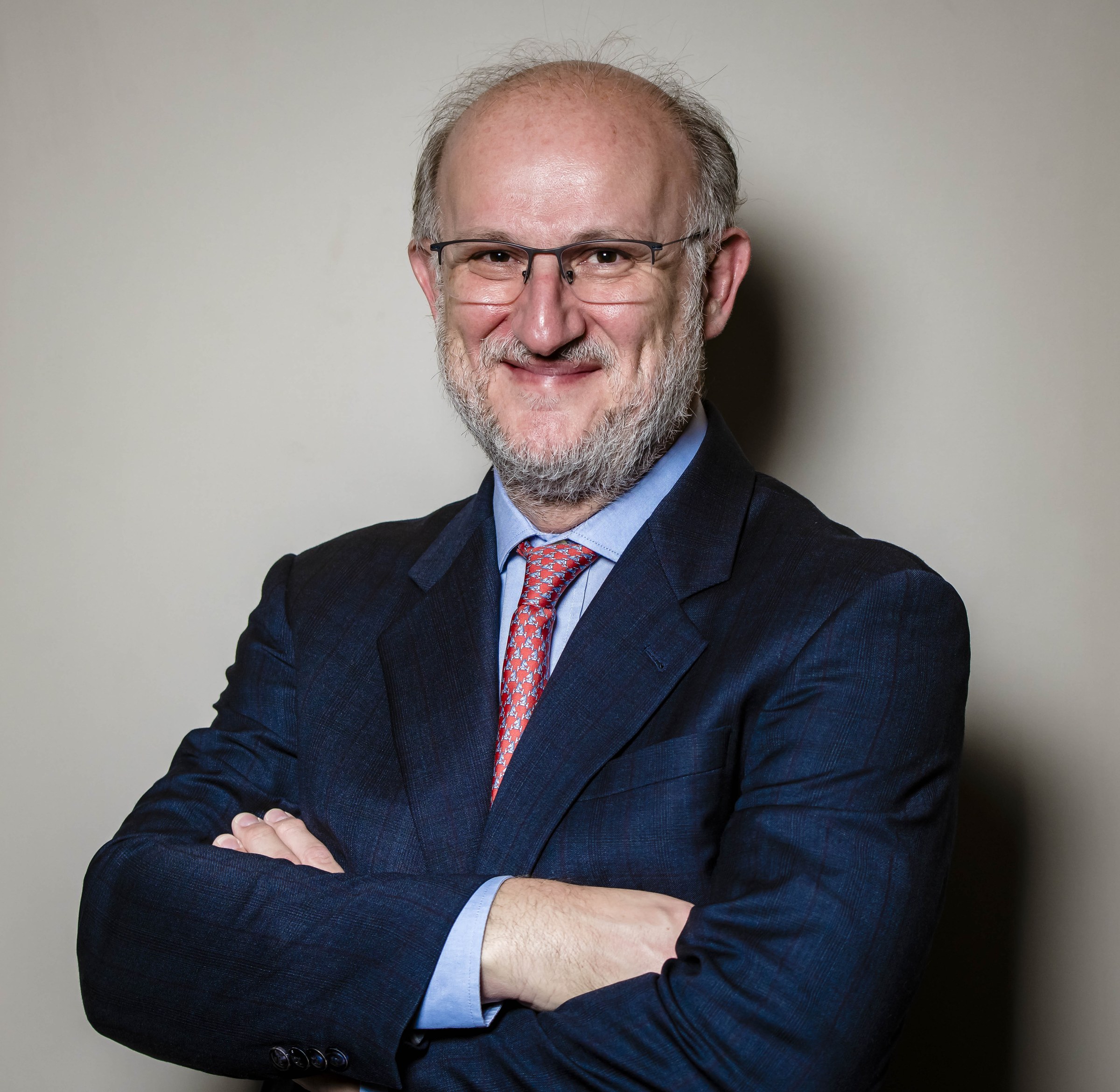
According to neurosurgeon Prof. Dr. Feres Chaddad, founder of Neuro University and creator of the event, the in-person experience remains indispensable for the training and continuing education of specialists.
“There is knowledge that cannot be transmitted through a lecture or scientific article alone. Observing a live surgery, taking part in hands-on training, and discussing complex cases with professionals from different backgrounds create insights that make a real difference in decision-making. This is the environment we aim to create at the Summit,” he says.
In addition to lectures and discussion panels, the program includes a live surgery with real-time commentary, presentation of complex cases and Pre-Summit courses, among them “Supratentorial Approaches in Cadaver Lab” and “Awake Surgery,” a technique used in specific procedures in which the patient remains awake during part of the surgery to help monitor neurological function.
Lucas Chaves, a neurosurgeon from Fortaleza/Brazil, attended the first edition of the Neuro University Summit 2025 and recalls being able to discuss complex cases. “I also learned about innovative and promising technologies in the neurosurgical field. It was an honor to exchange knowledge and contribute in some way to the growth of the specialty.”
For Dr. Feres Chaddad, this exchange of experiences among professionals from different centers helps to spread good practices and new therapeutic approaches faster. “When specialists share their experiences, everyone learns. Often, a strategy developed in one hospital can help solve challenges faced in another. Knowledge grows when shared, and scientific meetings have precisely this role of bringing professionals closer together, stimulating debate and driving the evolution of medical practice,” he concludes.
Event
Neuro University Summit 2026
Pre-Summit
October 13 to 15, 2026
Summit
October 16 and 17, 2026
Location
Conecta Expo Center
Rua Amborés, 180
Cidade Vargas
São Paulo – SP, Brazil
More information
https://summit.neurouniversity.com.br
Press contact:
Bella Comunica · imprensa@bellacomunica.com.br
Published with PitchBud — personalized PR for the journalists who actually cover your beat.
