Palm Desert, CA — 2026-11-08
Retired California English Teacher Richard Sinay Releases Book 7 on Teaching Literature to Average Students
The 194-page Confessions of an English Teacher volume argues average students need culturally and linguistically matched reading lists
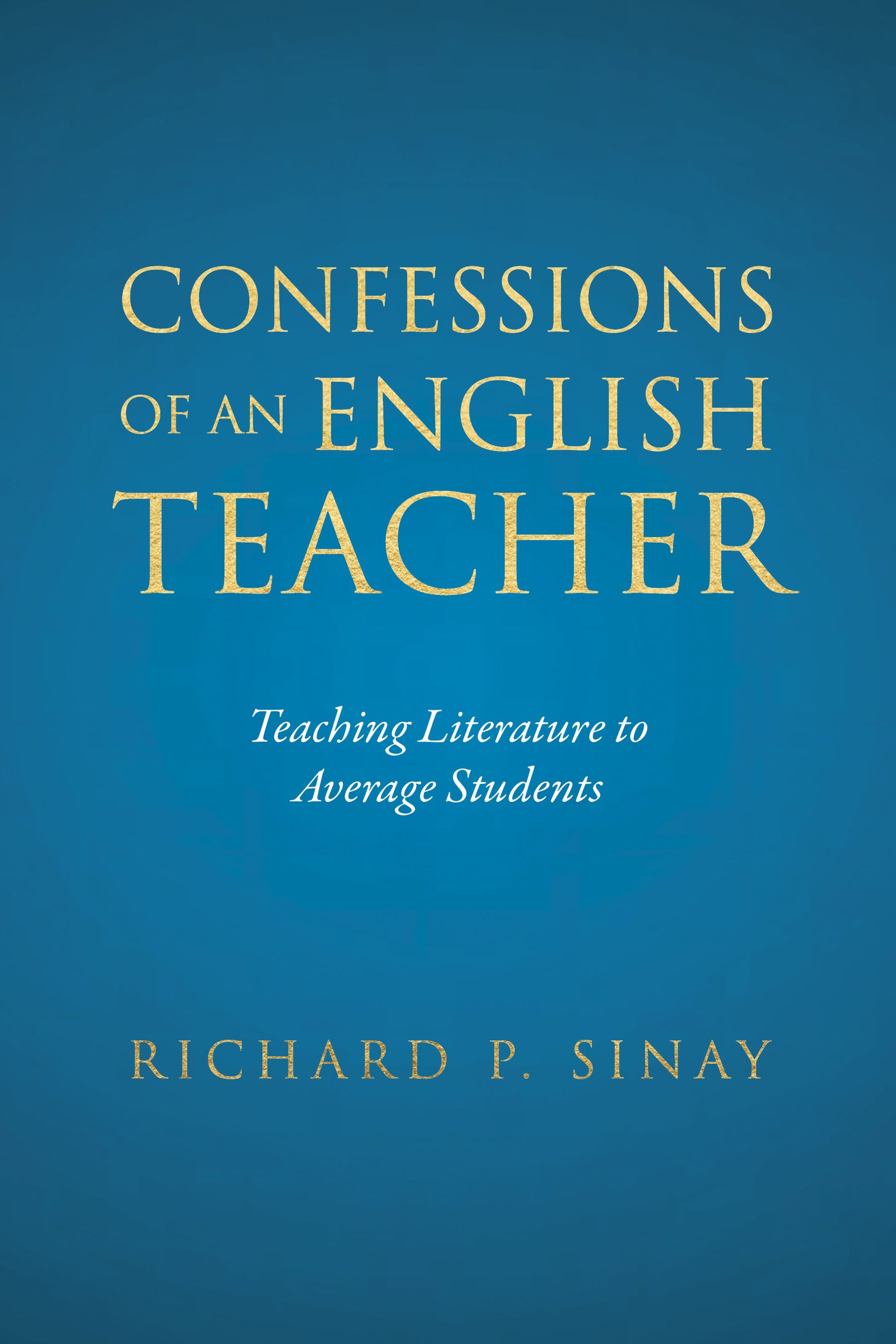
Richard Sinay, who taught English and reading in high school and college in Orange County, California, for 35 years, has released Confessions of an English Teacher Book 7: Teaching Literature to Average Students. The 194-page Language Arts title is listed at https://www.amazon.com/Confessions-English-Teacher-Teaching-Literature/dp/1965216439. The book takes on a gap that Sinay says the public rarely sees: average high school students are not receiving the English program best suited to their literacy growth. It argues that reading lists matched to students' cultures and written at appropriate reading levels can raise literacy substantially, and it offers reading suggestions for four ethnic groups.
The book enters a long-running debate over who gets the best classroom materials. Honors and Advanced Placement English programs are designed deliberately for the students who enroll in them, with curricula, reading lists and pacing built around that audience. Sinay contends that students in the middle of the achievement range do not get the same treatment. In his account, they are handed textbooks that are neither culturally nor linguistically appropriate for them. Those textbooks, he writes, often include selections pitched several grade levels above where students actually read. The result, he argues, is a program that discourages the very students who most need to build reading stamina and confidence.
Sinay's central claim is that interest in reading rises significantly when students encounter books that reflect their own culture. He argues that a predominant ethnic group in a classroom should have access to its own literature rather than only the selections supplied by textbook publishers. The book pairs that cultural argument with a linguistic one: texts should match the reading levels of the students who will read them, not exceed those levels by several grades. Taken together, he says, the two adjustments can increase literacy "exponentially" for average students, who he believes are underserved by current practice.
The book's practical contribution is a set of reading recommendations for four groups: African-American, Hispanic, Asian and White students. Sinay proposes that each group can enjoy readings from its own cultures while significantly expanding its literacy, provided programs are custom-designed in the way they already are for advanced students. Rather than prescribing one national syllabus, the book frames the work as a design principle: identify the predominant cultural group in a school, select literature that reflects its experience, and match the reading level to the students in the room. Teachers, department chairs and curriculum committees are the natural audience for that kind of selection work.
The book also addresses how change would actually occur. Sinay is direct about the obstacle: customizing programs for average students, he writes, "takes people power." That phrase points to the human effort required from teachers, administrators, parents and community members to move beyond default textbook adoption. The argument is not framed as a technology fix or a product purchase. It is framed as a question of will and organization, with the burden resting on the adults who decide which books reach which classrooms. That emphasis gives the volume a practical, advocacy-oriented tone consistent with the rest of the author's series.
The distinction Sinay draws is between segmentation that already exists and segmentation that is missing. Schools routinely tailor programs for advanced learners, he notes, so the principle of customization is not controversial in itself. What he questions is why customization stops at the top of the achievement range. His book asks readers to apply the same logic to the largest group of students, those who are neither in honors tracks nor flagged for intensive intervention. Because the argument rests on a familiar practice applied more broadly, it offers educators a way into the discussion without requiring them to accept an entirely new framework.
"Honors and AP students get programs built for them. Average students get textbooks that were not written with their culture or reading levels in mind," said Richard Sinay, author of Confessions of an English Teacher Book 7.
The book is written for readers who shape or are affected by high school English instruction. High school and community college English teachers may find reading suggestions they can adapt to their own classrooms. Curriculum coordinators and department heads weighing textbook adoptions may use the book's argument to question default selections. Parents who suspect their children are disengaged from assigned reading may find a framework for raising the issue with schools. Sinay's background, three and a half decades of teaching English and reading at the high school and college level in Orange County, California, grounds the recommendations in classroom experience rather than policy theory.
Confessions of an English Teacher Book 7: Teaching Literature to Average Students is available through Amazon at https://www.amazon.com/Confessions-English-Teacher-Teaching-Literature/dp/1965216439. The listing identifies the book as a Language Arts title of 194 pages. Readers can find current pricing, available formats and purchasing options on the product page. Review copies and interview requests can be directed to the author through the contact channels supplied with this release. No institutional licensing or bulk-purchase program has been announced; educators interested in classroom or department use should consult the listing for available purchase options.
The new volume extends a series that Sinay has built across several years of writing after his teaching career. Earlier Confessions of an English Teacher titles include A Memoir of My Teaching Years, How High School and Community Colleges Can Improve Instruction, How Textbooks Affect Literacy and What to Do About It, All About the Teaching of Writing in the High School, All About the Teaching of Reading in the High School, and The Problem and the Solution to Teaching Literature to Average Students. Another entry, An Analysis of Common Core, is also part of the series. Together, the books address instruction, textbooks, writing, reading and literature from a classroom veteran's perspective.
Sinay's publications extend beyond education. His first book, Who We Met on the Way to Stanford: A Father's Memoir, recounts how he and his son met famous golfers while pursuing a golf scholarship at Stanford. He followed it with How to Get a Golf Scholarship to Stanford: A Parent's Guide, and Observations of America and My Ancestral Past: An Epistolary Autobiography, a daily account of a twenty-five-thousand-mile trip around the country. Crazy Little Children Are Jangling the Keys of the Kingdom: The Estrangement Epidemic in America examines family estrangement. By his own count, Sinay now has fourteen publications.
About Richard Sinay
Richard Sinay taught English and reading in high school and college in Orange County, California, for 35 years. He spends most of his time reading and writing and lives in Palm Desert, California. He is the author of fourteen publications, including the Confessions of an English Teacher series on literacy, textbooks and the teaching of reading, writing and literature, as well as memoirs and guides on golf, travel and family. Confessions of an English Teacher Book 7: Teaching Literature to Average Students is available at https://www.amazon.com/Confessions-English-Teacher-Teaching-Literature/dp/1965216439.
