Mifflinburg, Pennsylvania — 2026-11-08
Pennsylvania Electrician Marcus Hurst Releases Apologetics Book 'The Contentment Dilemma'
The book offers a roadmap for readers facing suffering and confusion, and carries a warning for anyone not committed to the truth
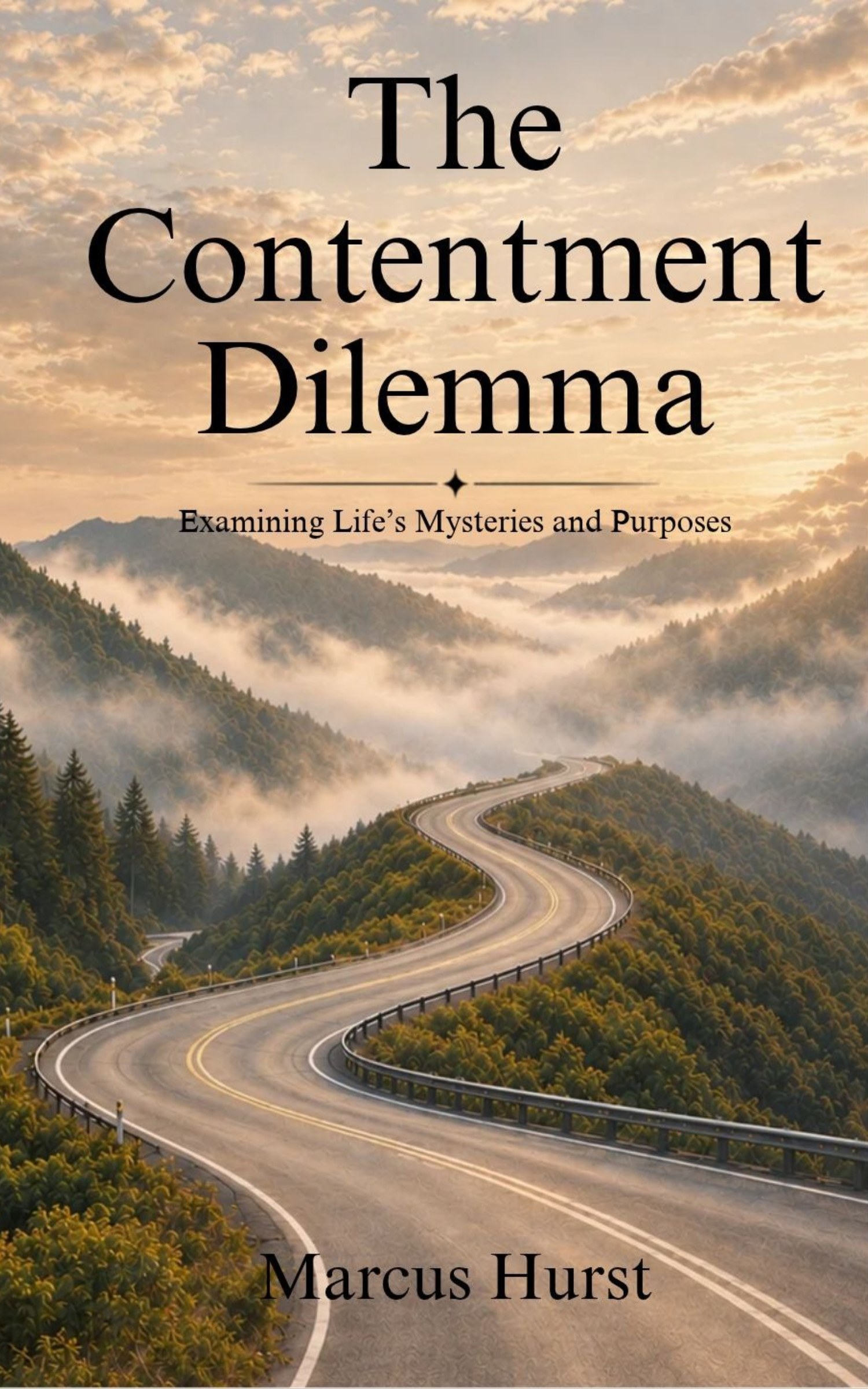
Marcus Hurst, a Mennonite author and working electrician in central Pennsylvania, has released The Contentment Dilemma, an apologetics book that examines why confusion and pain are so common and what purpose suffering might serve. The book is listed on Amazon at https://www.amazon.com/Contentment-Dilemma-Examining-Mysteries-Purposes-ebook/dp/B0C78QHLM2. It is Hurst's second book, following The Box Top to Life's Puzzle in 2017. Its framing is blunt: the author's stated warning is that the book is only for readers who are wholly committed to the truth. Hurst presents it as a plain-language roadmap for people who want lasting fulfillment and who are willing to follow the evidence and reasoning wherever it leads.
Questions about meaning, suffering, and purpose are some of the oldest in human experience, and they tend to resurface during hardship. Readers who go looking for answers find a crowded field. Self-help titles promise quick fixes, philosophical works can be dense, and religious writing often assumes the reader already shares its conclusions. The Contentment Dilemma is aimed at a different reader: someone who feels the confusion Hurst describes as widespread, who suspects that real answers exist, and who wants them in accessible language. The book's premise is that contentment is a dilemma because most people want it and few can explain why it eludes them. Hurst's response is rooted in the Christian tradition and written as apologetics, meaning it makes a reasoned case rather than only an appeal to feeling.
According to the book's description, Hurst walks readers through six areas of inquiry. The first is reasonable explanations of life's mysteries and purposes. The second asks why confusion and pain are so abundant. The third addresses a purpose for suffering, which the book treats as something to be understood rather than merely endured. The fourth covers how to conquer defeat and "get a grip" on one's life. The fifth examines how to rise above sin's bondage. The sixth lays out steps for building a personal connection with the Creator of the universe. The sequence moves from diagnosis, which asks what is wrong and why, toward practical application, which asks what a reader can do about it.
The book is written to be easy to read, and its description promises "easily understood tools" that help readers take control of their lives and find the hope and purpose they have long wanted. Hurst structures the material as a guided walk in which he examines each question alongside the reader instead of lecturing from a distance. The Amazon listing is for the ebook edition, which lets readers start immediately on a phone, tablet, or e-reader. The approach is deliberately non-academic. Hurst's background is in teaching, youth work, and skilled trades, and his writing reflects a goal of reaching ordinary readers rather than specialists in theology or philosophy.
Apologetics is a genre defined by argument, and The Contentment Dilemma sets itself apart by tying that argument to lived pain. Many apologetics books concentrate on questions of origins, evidence, or doctrine. Hurst's book begins instead with the felt problem of dissatisfaction and works backward to first causes. It also does not soften its expectations of the reader. The warning that the book is only for those wholly committed to the truth works as a filter, signaling that it will challenge assumptions and that its conclusions, including its treatment of sin and a personal relationship with the Creator, are meant to be taken seriously rather than sampled casually.
"I wrote this book for people who want real answers about suffering and purpose. If it helps anyone, God deserves the praise," said Marcus Hurst, author of The Contentment Dilemma.
The intended readers are people in the middle of difficulty and people who have been asking hard questions for a long time. The description speaks to readers who have wondered whether it is possible to know the truth about life's mysteries, and to those who feel overwhelmed by the chaos around them. Practical uses include personal reflection during a season of loss or discouragement, discussion in church small groups or Bible studies, and individual study by readers who are weighing their own beliefs. Because the book is written in accessible language, it also suits readers new to apologetics who may have found more technical titles hard to approach. Hurst's goal is for readers to leave with clarity, not just comfort.
Hurst's route to authorship is unusual for the genre. He is a Mennonite living in central Pennsylvania who taught school, helped at a home for troubled teenage boys, and administered a workshop for handicapped boys before becoming an electrician, his current occupation. According to his author biography, those years of working with people in difficult circumstances led him to dedicate himself to helping others find the fulfillment they inwardly crave. That commitment produced his first book, The Box Top to Life's Puzzle, in 2017, and now The Contentment Dilemma. Hurst describes his writing process as guided by God's distinct and patient direction.
The Contentment Dilemma is available now through Amazon at https://www.amazon.com/Contentment-Dilemma-Examining-Mysteries-Purposes-ebook/dp/B0C78QHLM2. The listing is for the ebook edition. Readers can open the page, review the book description and author information, and purchase and download the title directly. Current pricing and any available sample or preview options are shown on the listing and may change, so interested readers should check the page for the latest details. The book is categorized in the apologetics genre. Reviewers, church leaders, and book clubs who want to discuss the title can use the same link to find the book.
The book continues work Hurst began with his 2017 debut. Both titles grow out of the same motivation: helping people who sense that something is missing in their lives and want a reasoned, faith-based account of why. The author's materials do not announce further titles. Hurst does say that he hopes any benefit readers find will be credited to God rather than to himself. For now, the focus is on getting The Contentment Dilemma into the hands of readers who are looking for answers, particularly those who, in Hurst's words, are wholly committed to the truth. Feedback from those readers will indicate how the book is being received.
About The Contentment Dilemma and Marcus Hurst: The Contentment Dilemma is an apologetics book by Marcus Hurst that examines life's mysteries and purposes, the prevalence of confusion and pain, a purpose for suffering, and steps toward a personal connection with the Creator. Hurst is a Mennonite in central Pennsylvania who has worked as a teacher, at a home for troubled teenage boys, and as administrator of a workshop for handicapped boys, and who now works as an electrician. His first book, The Box Top to Life's Puzzle, was published in 2017. The Contentment Dilemma is available at https://www.amazon.com/Contentment-Dilemma-Examining-Mysteries-Purposes-ebook/dp/B0C78QHLM2.
